

7+ Ways to Get Rid of Dark Circles Under Your Eyes
My patients often come to the office with a similar complaint:
"I seem to get enough sleep, but the person looking back at me in the mirror in the morning looks like they haven't slept in weeks."
Dark circles under the eyes are a common problem and can easily make us look more tired than we actually feel. The truth, however, is that they are not always caused solely by fatigue.
Therefore, today we will look at the most common causes of their appearance and how to effectively deal with dark circles.
What are dark circles under the eyes?
In dermatology, we call this condition periorbital hyperpigmentation or, more simply, darkening of the skin in the area around and under the eyes.
This is a condition in which the skin in the periorbital area appears darker, sunken, and more tired. In some people, dark circles appear as brownish or greyish shadows, while in others they may have a bluish, purplish, or even black tint.
The specific colour and how they look depend on the natural skin tone and the underlying cause of their appearance.
What is the difference between dark circles and under-eye bags?
Although often confused, dark circles and under-eye bags are different conditions with different causes and manifestations.
|
Condition |
How it looks |
What it is most commonly associated with |
|
Dark circles under the eyes |
The area under the eyes appears darker, greyish, brownish, bluish or purplish |
Pigmentation, thin skin, visible blood vessels, shadows |
|
Under-eye bags |
There is puffiness, swelling or bulging under the eyes |
Fluid retention, fatigue, age-related changes, heredity |
What are the possible causes of under-eye shadows?
The causes of dark circles under the eyes rarely come down to just one factor. In most cases, it is a combination.

Heredity and natural pigmentation
Genetics play a huge role. If you have relatives with pronounced dark circles in your family, there is a high chance that you are also predisposed to them.
Studies even show that people with darker skin tones (Mediterranean, Asian, or African) often have naturally higher melanin production in the area around the eyes.
Lack of sleep and fatigue
Lack of sleep is a classic cause of dark circles.
When we are tired, the body produces cortisol to keep us awake. This hormone increases blood volume, which can lead to blood vessel dilation. And since the skin under the eyes is very thin, these vessels can show through as a dark, bluish tint.
In addition, lack of sleep makes the skin paler, which further accentuates the contrast in the area under the eyes.
Allergies and blocked nose
A review in the Journal of Cosmetic Dermatology indicates allergies as a common, yet often underestimated cause of dark circles under the eyes.
Allergic reactions cause the body to release histamine, which can lead to blood vessel dilation and swelling. And a blocked nose, in turn, can hinder venous drainage, leading to the retention of darker, deoxygenated blood in the area around the eyes.
Rubbing itchy eyes, on the other hand, creates microtraumas and can lead to what is known as post-inflammatory hyperpigmentation – darkening caused by mechanical irritation.
Ageing and thinning skin
As we age, we lose collagen and elastin. This means that the skin, which is already thin, becomes even finer and more delicate. Subcutaneous fat further diminishes, making blood vessels and underlying structures even more visible.
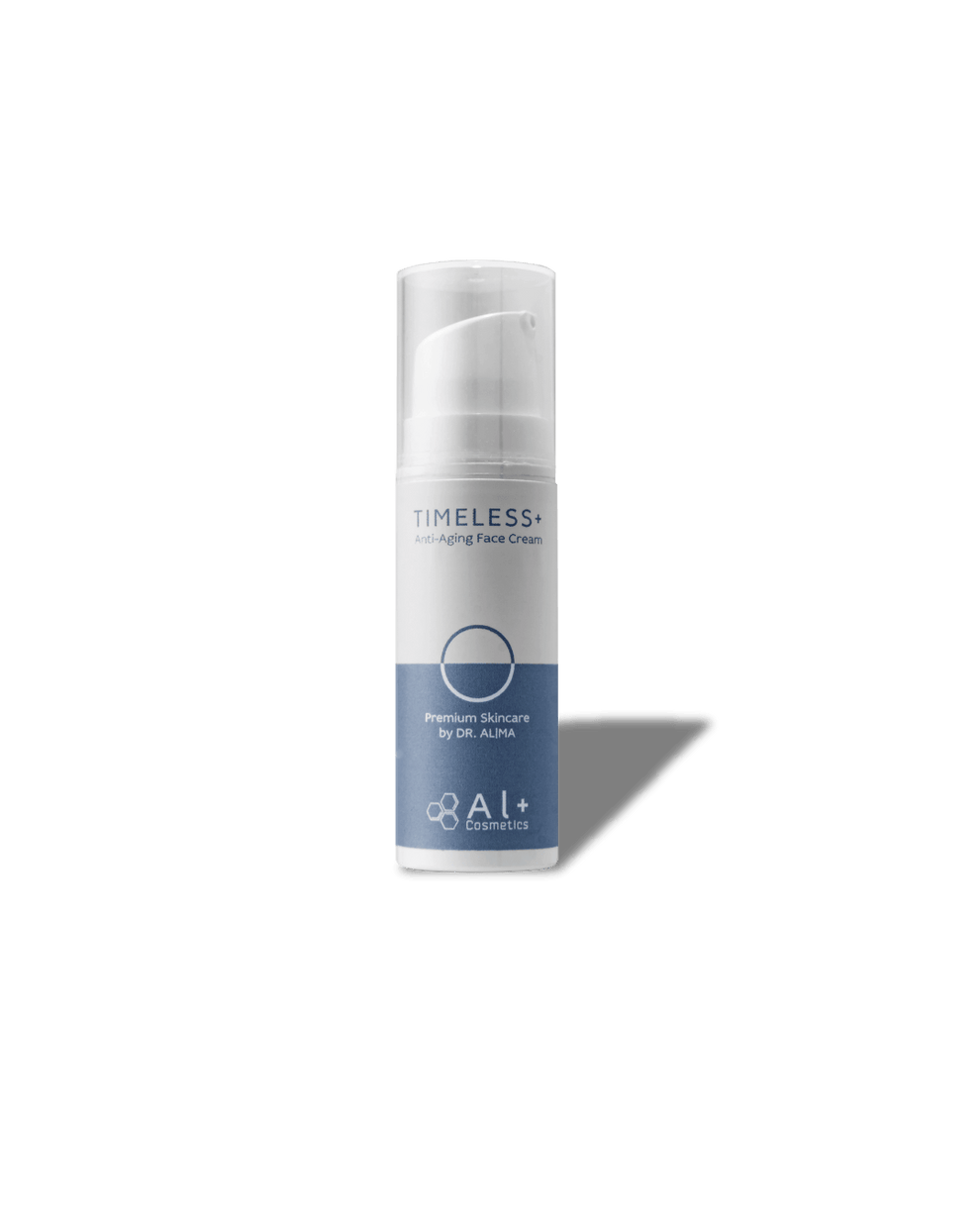
Give your skin targeted anti-ageing care with Timeless+
A scientifically advanced formula that supports regeneration, improves elasticity, and reduces visible signs of ageing.
Health conditions and medications
Dark circles under the eyes can be a symptom of various health conditions or deficiencies in the body.
In cases of iron deficiency and conditions such as anaemia, the skin often appears paler, which can accentuate the contrast in the under-eye area and make dark circles more noticeable.
Some medications can also play a role. For example, some glaucoma medications, such as latanoprost and bimatoprost, can lead to darkening in the periorbital area in some people.
Prolonged eye strain and screen time
Screens have long been a part of our daily lives – whether for work, or for unwinding with a little Instagram, TikTok, or a series in the evening.
The problem is that when we spend a long time in front of a phone or computer, our eyes become strained, which can make dark circles under the eyes appear more pronounced.
With prolonged eye strain, the blood vessels around them can dilate, further emphasizing the darker and more tired appearance of the area.
Dehydration and lifestyle
When the body does not receive enough water, the area under the eyes can begin to look more sunken and hollow.
Additionally, regular alcohol consumption and smoking damage collagen, worsen skin quality, and can accentuate the tired and greyish appearance of the face.
Periods of stress, accumulated fatigue, and general exhaustion can also make dark circles under the eyes more visible, especially when combined with lack of sleep and poorer recovery.
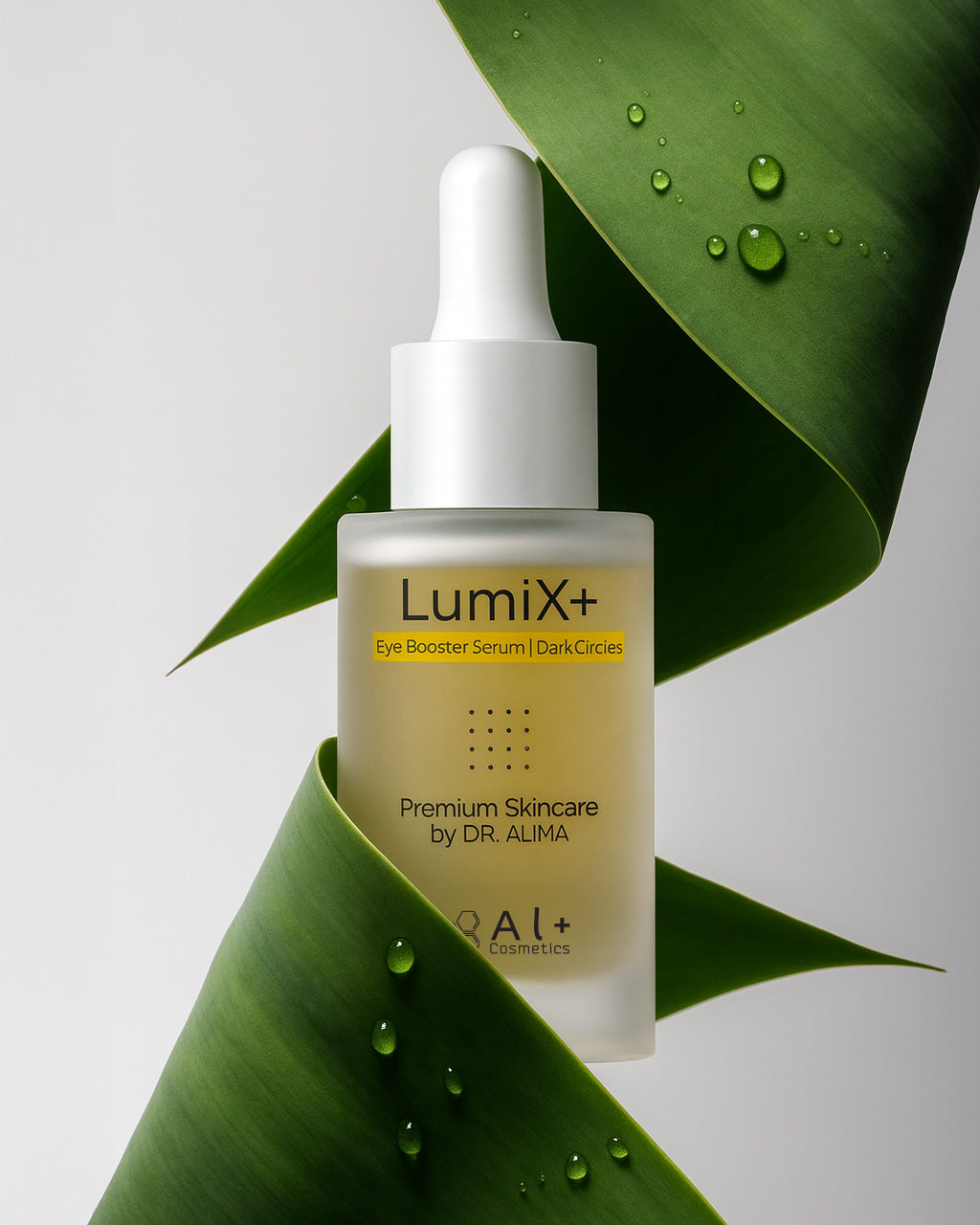
Care for a brighter and refreshed look with LumiX+
Take advantage of a formula with active ingredients that support microcirculation, protect the skin from stress, and improve the hydration and elasticity of the eye contour.
Sun and hyperpigmentation
Exposure to UV rays without protection stimulates melanocytes (pigment-producing cells) to work overtime. This can lead to permanent brown spots around the eyes.
Anatomical features and hollows under the eyes
Sometimes, what we perceive as a "dark circle" is actually an anatomical shadow. The hollowing between the lower eyelid and the cheek, known as the tear trough, can create an optical illusion of darkening, especially when light falls on the face at a certain angle.
Types of dark circles under the eyes
In dermatology, dark circles under the eyes are most commonly divided into four main types. This helps us to more easily identify what is behind the darkening in the periorbital area and which treatment approach is most appropriate.
Pigmented dark circles - If the colour does not change significantly when the skin is lightly stretched and remains brownish, it is more often a pigmented type. In this case, melanin in the skin plays a leading role, and dark circles usually appear as brown, dark brown, or grey-brown shadows under the eyes.
Vascular dark circles - If the colour appears bluish, purplish, or pinkish and changes with light or with a slight stretching of the skin, it is more likely to be a vascular type. Here, the darker appearance is due to blood vessels showing through the thin skin in the periorbital area.
Anatomical shadows under the eyes - Sometimes what we see as a dark circle is actually a shadow, not a real darkening of the skin. If the dark appearance reduces with different lighting or by lifting the chin, it is usually due to hollowing under the eyes, loss of volume, or specific features in the bone structure of the face.
Mixed type dark circles - This is the most common type. In my practice, I very often see a combination of two or more mechanisms, for example, pigmentation, visible vessels, and anatomical shadow simultaneously.

In my practice, I see all sorts of combinations - and that's precisely why the first step is always to understand what type we are dealing with. Because the approach for pigmented circles is completely different from that for vascular or anatomical shadows.
How to deal with dark circles under the eyes?
In most cases, dark circles under the eyes are not a sign of a serious health problem and do not require treatment. However, they can negatively affect our confidence and make us look more tired than we actually are.
If you want to improve their appearance, I have a few tricks that will be useful to you.
At-home remedies
1. Sleep and proper head position
If you wake up with puffy, dark eyes that look better later in the day, it's possible you're experiencing fluid retention. In such cases, sleeping on a slightly higher pillow can help prevent fluids from accumulating in the lower eyelid area overnight.
Lack of sleep itself can also make dark circles more visible, so try to get enough sleep and maintain a more regular sleep schedule.
2. Cold compress
A cold compress is one of the simplest and most beneficial steps, especially if dark circles under the eyes are primarily vascular or accompanied by morning puffiness. Cold temporarily constricts more visible blood vessels and can reduce swelling, making the under-eye area appear fresher.
3. Choose daily care with the right active ingredients
For dark circles under the eyes, not every eye product will have the same effect. It's best to look for formulas with these active ingredients:
-
Caffeine – stimulates microcirculation and helps reduce puffiness around the eyes
-
Hyaluronic acid – helps with better hydration and makes the under-eye area smoother and fresher
-
Vitamin C – an antioxidant that brightens and is beneficial for tired-looking skin and pigmentation
- Gentiana Myralys™ – a plant active extracted from wild yellow gentian, which promotes microcirculation and helps reduce puffiness and dark circles.
- Ectoin® – a natural protective molecular active that helps protect cells from stress and supports skin barrier repair
- Soothing ingredients – good examples are centella, chamomile, and licorice, which help the skin look calmer and refreshed
Give your eye area targeted care
With caffeine, a prebiotic blend, Gentiana Myralys™, and Ectoin®, LumiX+ refreshes tired eyes, reduces the appearance of puffiness and dark circles, and supports hydration of the delicate eye area.

4. Daily sun protection
Sun protection is absolutely essential, especially if there's a pigmentary component. UV rays can further deepen darkening, so daily photoprotection is one of the most meaningful basic steps.
5. Good habits
Good habits are a great foundation for a fresher and more rested look in the eye area.
- get 7–8 hours of sleep
- drink enough water
- limit alcohol and smoking
- manage allergies
- reduce prolonged screen time and rest your eyes
- do not rub the under-eye area, especially if you have sensitive skin, eczema, or dermatitis
6. Proper, consistent skincare routine
Caring for dark circles doesn't stop with just eye cream. When the skin as a whole is well-hydrated, calm, and protected, the face looks fresher and more rested.
That's why a proper routine matters. When products are well-chosen and work in synergy, it's easier to keep your skin in good shape every day.
Effective care begins with the right routine
Carefully selected product combinations, designed to work together for healthier, calmer, and clearer skin in the long term.

Professional care
Among the professional solutions that can help with dark circles under the eyes are:
- laser therapy – a procedure that uses targeted light energy to reduce pigmentation, vascular visibility, or other changes in the under-eye area
- mesotherapy – an injection approach where small amounts of active substances are injected into the under-eye area
- skinboosters with polynucleotides – an injection approach to improve the quality, hydration, and elasticity of the skin around the eyes
- dermal fillers with hyaluronic acid – an injectable product that restores volume in the under-eye area
- PRP therapy – PRP (platelet-rich plasma) is plasma rich in platelets, extracted from the patient's own blood, which is processed and then injected back into the skin
- PRF therapy – PRF (platelet-rich fibrin) is also extracted from the patient's own blood, but contains a fibrin matrix and is used as a regenerative injection approach
- blepharoplasty – eyelid surgery that corrects excess skin, fatty bags, or sagging in the area around the eyes
Can I completely remove dark circles?
This depends mainly on their cause. For some people, dark circles under the eyes respond very well to proper care.
In other cases, however, they are related to heredity, anatomical features, volume loss, or more pronounced pigmentation, so their complete removal is not always a realistic goal.
The good news is that in most cases, a visible improvement can be achieved with a consistent routine, appropriate active ingredients, and care tailored to the specific cause.
However, if you don't see improvement despite your efforts, it's best to consult a specialist.
FAQ
How to prevent dark circles under the eyes?
Regular sleep, good hydration, daily sun protection, managing allergies, and consistent care with suitable products can help prevent dark circles from becoming more prominent.
When should I see a dermatologist for dark circles under my eyes?
It's a good idea to seek a consultation if dark circles appear suddenly, become more prominent in a short time, are accompanied by fatigue, dizziness, shortness of breath, allergic complaints, or if home care is not yielding results and you want to understand the most suitable approach for your case.
Can an eye serum help with dark circles?
Yes, especially when dark circles are associated with dehydration, tired appearance, puffiness, or more pronounced vascular visibility. An eye serum like LumiX+ can help the under-eye area look fresher, smoother, and brighter.
How long does it take to see results from an eye serum?
The eye area usually responds more slowly, and results are not seen overnight. With regular use, the first things usually noticed are increased hydration and a fresher appearance, while more visible improvements in dark circles and puffiness require consistency.
Why do dark circles look more pronounced in the morning?
In the morning, they can appear more visible due to fluid retention, puffiness, lack of sleep, or more pronounced vascular visibility in the eye area.
Is it normal for dark circles to worsen with stress and fatigue?
Yes, stress, lack of sleep, and overall exhaustion can make the eye area look duller, puffier, and more tired, which emphasizes dark circles.
DISCLAIMER: All skincare articles are intended to aid in education about specific ingredients and skincare topics. Our articles are written to be informative and educational. Any reference to a specific patient experience is not a medical offer for treatment. Please note that all Al+ Cosmetics products with listed ingredients are formulated for cosmetic use only and are NOT intended as substitutes for medical advice and/or recommendations for pharmaceutical products.


